Table Of Content
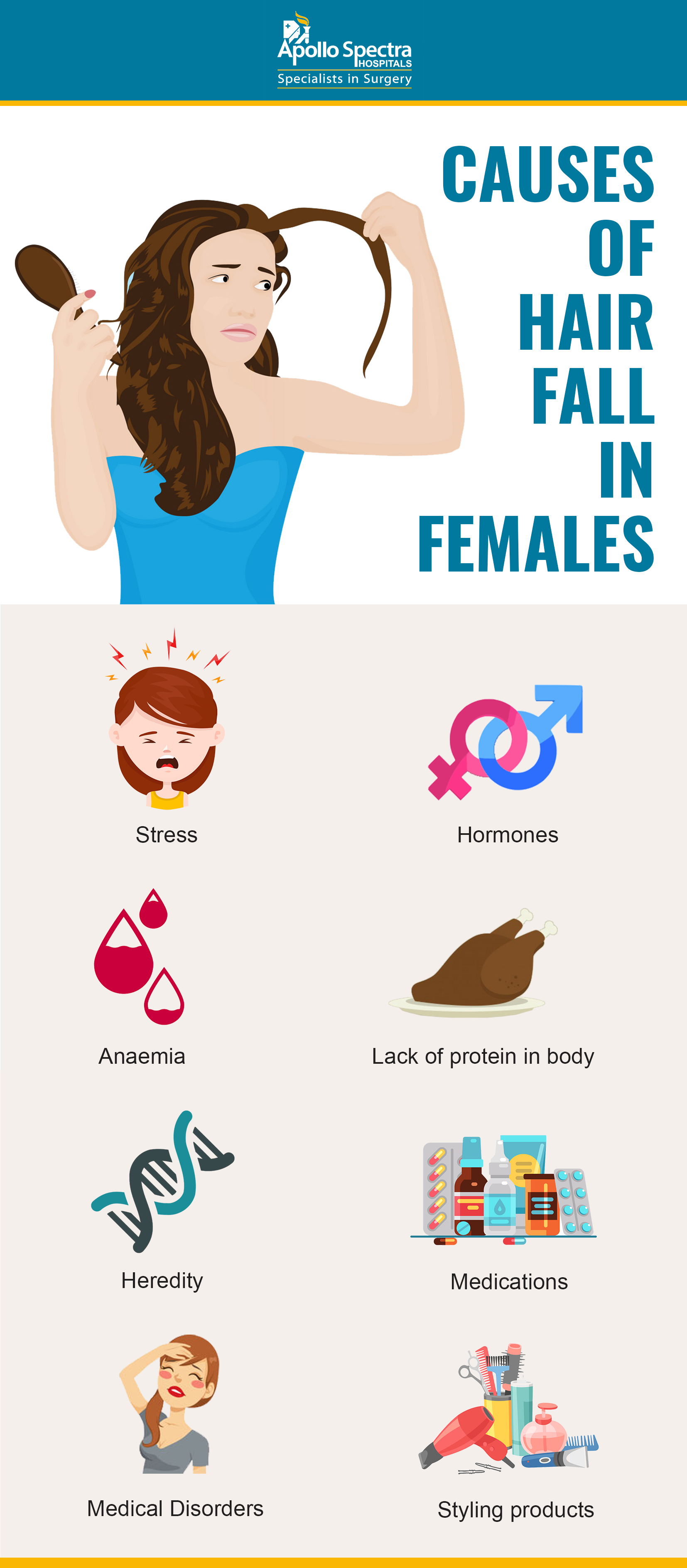
About 5% of people with alopecia will lose hair on their entire scalp. Typically, hair grows back, but it's common for hair loss to reoccur. Vitamin A is partly made up of retinoids, which support healthy hair growth and influence the hair cycle. But it’s dose-dependent, meaning that consuming too much — or too little — can damage your hair. Spironolactone is another medication your doctor may prescribe for hair regrowth and to keep hair loss from getting worse. It stops the action of male hormones called androgens.
Alopecia
As it is not always possible to assess the cause of rapid or excessive hair loss, it is always worth seeking medical advice to diagnose the cause of your hair loss. Smoking also increases the production of free radicals. These molecules react with others to cause oxidative stress, which can harm cellular DNA.
Stress
Hair loss stemming from factors such as childbirth, surgery, and stress can be temporary in some cases — a condition called telogen effluvium. Losing your hair can be a distressing experience, but you’re not alone. Anyone can have androgenetic alopecia (pattern baldness). You may want to shift where hair grows (or doesn't) to reflect your affirmed gender.
Are hair loss shampoos and at-home treatments effective?
Hair shedding is different than hair loss, which is when hair stops growing. Reasons for hair loss include male or female pattern baldness, certain medications, and harsh chemical hair products. Depending on the cause, hair loss may or may not be temporary. Male and female pattern baldness are the primary causes of hair loss, but it may also be due to other conditions or lifestyle factors. A doctor will want to explore the potential causes before recommending an appropriate treatment.
Over-the-counter and prescription medications
This article looks at what happens when hair falls out excessively, why this can occur, and where to seek treatment. The authors suggested that nicotine and other chemicals could speed up hair loss, but more research is needed to confirm this. If your hair is already dry or damaged, washing it in hot water can make it more likely to break. Other essential oils to consider include lavender, lemongrass, and peppermint. You can try mixing a couple drops of any or all of these oils with a couple tablespoons of a carrier oil such as jojoba or grapeseed.
What are the main causes of hair loss?
At any given moment, each hair on your head is at a different point of that cycle. It’s best to see a healthcare professional for any unexplained hair loss so they can determine the underlying cause and best course of treatment. Newer treatments that are also being explored include some forms of laser therapy, microneedling with PRP, as well as other oral medications. Many of these treatments are still in the early testing phases though, and more research will be necessary. It’s typical to lose between 50 and 100 hairs a day, according to the American Academy of Dermatology (AAD). With about 100,000 hairs on your head, that small loss isn’t noticeable.
What causes hair loss in women?
What Is Nutrafol for Women And Does It Work? - Shape Magazine
What Is Nutrafol for Women And Does It Work?.
Posted: Thu, 22 Feb 2024 08:00:00 GMT [source]
You’re more likely to have it if a close family member has it. But it usually starts with a thinning of the hairline above your temples and crown. Sometimes, large doses of stress can make your body’s immune system turn on itself and attack your hair follicles. Lots of worry and anxiety can also pause your hair growth, which makes hair more likely to fall out when you brush.
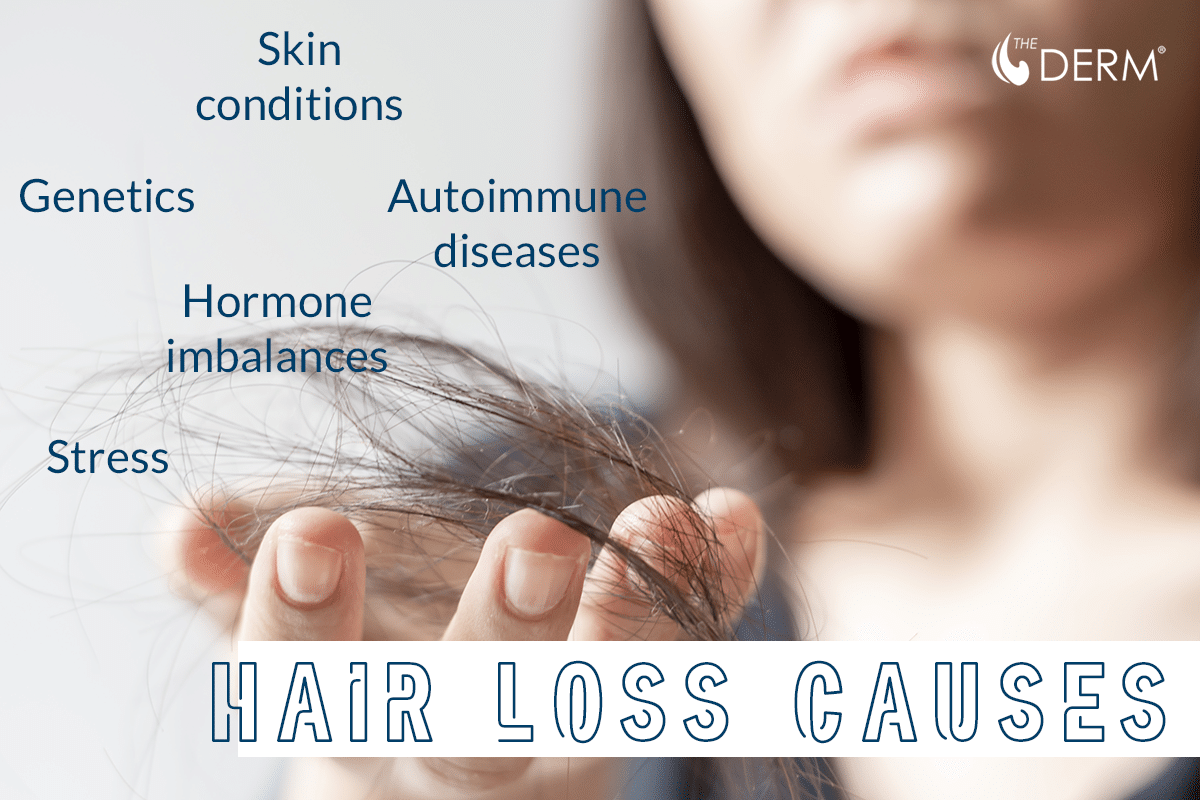
However, it is common, and in most cases, it is also temporary. While the level of hair loss may appear excessive, it's really no more than a reaction to a specific event, and hair will return to normal after a period of time. While sudden or extreme hair loss can be alarming, there are often simple solutions.
Shrinking can begin as early as your teens, but it usually starts later in life. While hair loss isn’t itself dangerous, losing your hair is an emotional experience. Unwanted changes to your appearance can influence your self-esteem and social life.
This type of hair loss typically resolves on its own once the underlying cause is addressed. Poisons that can cause hair loss include arsenic, thallium, mercury, and lithium. If you ingest a large amount of warfarin, which is found in rat poisons, it can also cause hair loss.
If a person notices they are losing more hair than usual, they may have an underlying condition. It is important to consult a doctor to learn what the possible cause and best treatment may be. A 2018 review suggests that a vitamin D deficiency may link to hair loss. The authors also suggest that to help prevent hair loss, people low in iron would benefit from iron supplementation and making sure they get enough vitamin C.

Pregnancy, and especially giving birth, can lead to hair loss. You're most likely to see hair loss about 3 months after giving birth. That's because your estrogen levels drop after childbirth.
Hair transplants involve taking hair from one area of your scalp and transplanting it into an area with hair thinning or balding. To avoid damage, use lukewarm water instead of hot, avoid brushing and stretching your hair while it’s wet, and use a deeply moisturizing conditioner regularly. Some causes of hair loss are temporary and can be reversed, while others are permanent.
When the hairs reenter the growth phase, the hairs that had been suspended in the resting phase are suddenly released. You can lose hair due to factors like nutritional deficiencies and stress. Hair loss can also occur as a medication side effect or if you have underlying health conditions, such as lupus. Most women lose a lot of hair a few months after giving birth. Later in life, some women notice extra shedding during menopause.
People should speak with a doctor to identify the cause of sudden hair loss. See your doctor if you are distressed by persistent hair loss in you or your child and want to pursue treatment. For women who are experiencing a receding hairline (frontal fibrosing alopecia), talk with your doctor about early treatment to avoid significant permanent baldness. Losing around 50–100 hairs daily through combing, brushing, washing, and styling is normal. When excessive hair shedding occurs, it's known as telogen effluvium. Someone with telogen effluvium can lose 300–500 hairs daily.
In the meantime, talk with your doctor before adding ginseng supplements to your diet. Your doctor gently scrapes skin samples from your scalp and sends them to a lab for testing. Looking at your scalp lets your doctor check for any infections or swelling and see where your hair’s falling out. Your doctor may use a lighted microscope to look for any hair shaft disorders. A hair transplant is usually not covered by insurance. The cost (often thousands of dollars) is prohibitive for most people.


No comments:
Post a Comment